Rising energy and raw material costs
One of the main effects of the conflict is the increase in energy prices. Oil and gas are becoming more expensive, which directly impacts nearly every link in the retail chain. Producers pay more to manufacture goods, transport companies face rising fuel costs, and retailers themselves are confronted with higher energy bills for stores and warehouses.
In addition, raw materials may also become more expensive, especially when trade routes are disrupted or market uncertainty increases. This ultimately leads to higher purchasing prices for retailers.
Problems in the supply chain
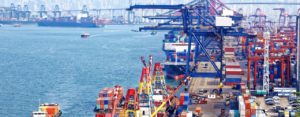
In addition to higher costs, the conflict is causing disruptions in international trade. Key shipping routes in the Middle East are becoming less safe or harder to access. As a result, ships must take longer detours, leading to extended delivery times and higher transport costs.
Air freight may also become more expensive and less reliable. The consequence is that retailers increasingly face delays, uncertainty about deliveries, and sometimes even product shortages. This makes it more difficult to plan inventory effectively.
Pressure on retailers’ margins
The combination of higher costs and uncertain deliveries is putting pressure on retailers’ profit margins. Companies face a difficult choice:
In many cases, part of the price increases will be passed on to consumers, making products more expensive in stores.
Consumers tighten their spending
At the same time, consumer behavior is changing. Due to higher energy prices and inflation, households have less money left to spend. As a result, they cut back on non-essential purchases such as clothing, electronics, and luxury items.
This means retailers are not only dealing with higher costs, but also with declining demand. Shops in non-essential sectors are particularly affected.
Increasing uncertainty
A key feature of the current situation is uncertainty. Retailers do not know how long the conflict will last or how significant its impact will be. This makes it difficult to make strategic decisions, for example regarding procurement, inventory management, and pricing.
As a result, companies must operate more flexibly and better prepare for fluctuations in costs and demand.
Conclusion
The conflict surrounding Iran has a broad and negative impact on the retail sector. The combination of rising costs, logistical problems, and cautious consumers creates a challenging period.
Retailers must adapt to a new reality in which uncertainty, higher prices, and changing consumer behavior are central. The longer the tensions persist, the greater the pressure on the sector will become.
Source: ABN Amro
Photo: Shutterstock